A Loss to the Community
A Loss to the Community
Las Vegas has seen countless acts of kindness from its residents and organizations, but none quite as impactful as the work done by the nonprofit group Forgotten Not Gone. This organization, dedicated to supporting veterans through bike rides and group activities, has become a beacon of hope for those battling mental health struggles after their service. However, after months of trying to secure enough funding, the nonprofit has announced that it can no longer afford to stay open. With a lease cost of $10,000 per month, Forgotten Not Gone simply couldn’t raise the money needed to cover expenses. As a result, their services, which have brought so much comfort to struggling veterans, will no longer be available unless they find a new location or financial backing. This closure represents a significant loss to the local community, where veterans are already facing high rates of mental health issues, including PTSD and suicide.
The Struggles Behind the Closure: Understanding the Financial Hurdles
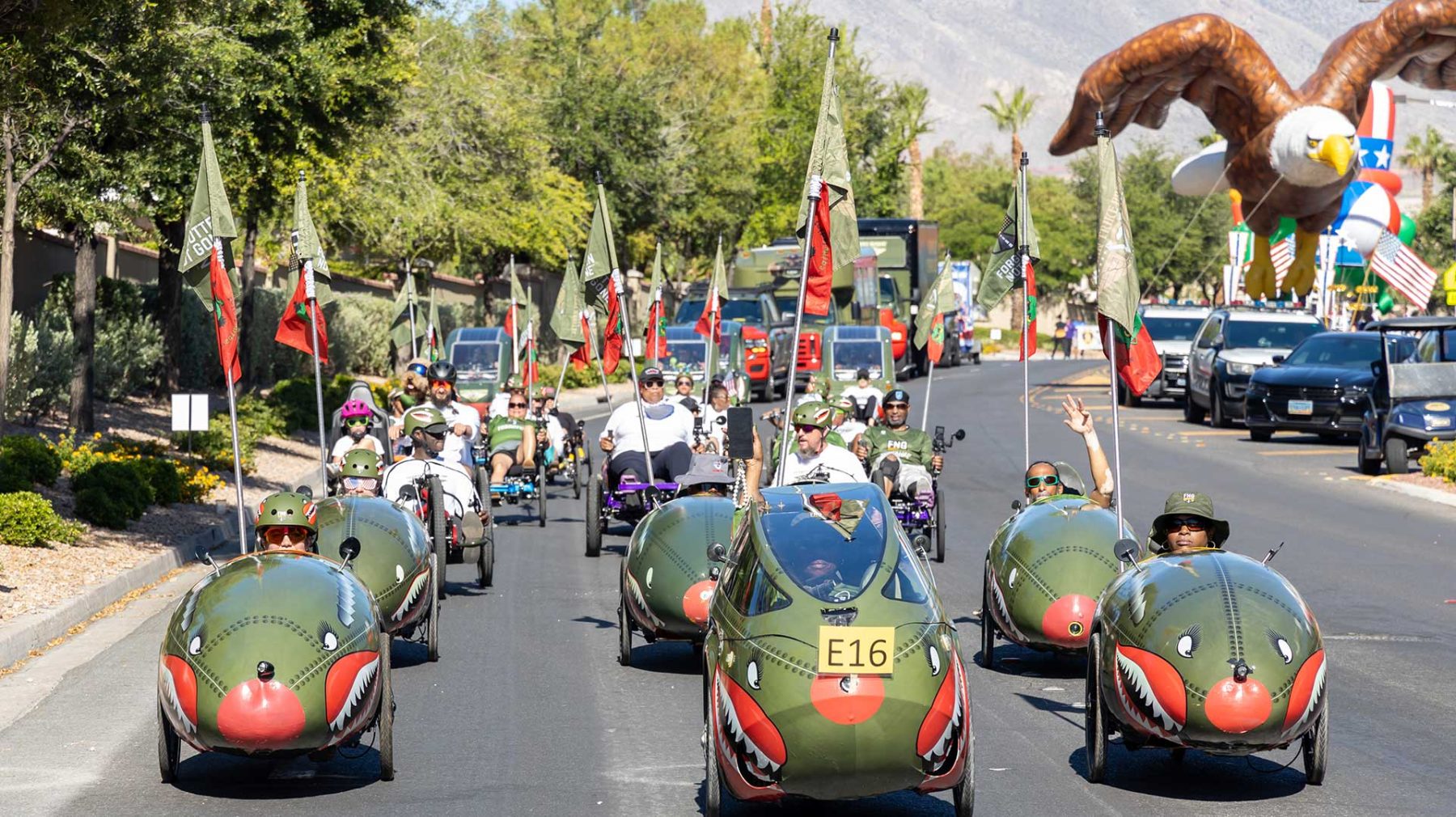
The nonprofit Forgotten Not Gone primarily serves veterans in the Las Vegas area, offering free services like group cycling rides designed to help veterans reconnect with their community and improve mental health. The organization’s goal was simple: to provide a safe and supportive space where veterans could heal, share their experiences, and enjoy the camaraderie of fellow service members.
However, the rising costs of operation proved too much for the organization to bear. Rent for their facility in the northwest part of Las Vegas reached $10,000 per month—an amount that far exceeded what they could raise through donations and community support. Despite the organization’s best efforts, they could not meet their fundraising goals, which has now led to their painful decision to shut down operations.
The Cost of Serving Veterans: More Than Just Rent
The high cost of keeping the facility open wasn’t the only challenge faced by Forgotten Not Gone. Although the organization worked hard to secure donations and funding, many of the veterans they served struggled financially themselves. Asking them to contribute monetarily to a program that was supposed to be free of charge seemed counterproductive to the organization’s mission. As one of the group’s leaders explained, charging veterans for services meant to help them overcome barriers to socializing and improving mental health was simply not an option.
This creates a catch-22 for nonprofit organizations—raising funds without placing an extra burden on the people they aim to serve. Without the ability to charge clients, and with limited financial support from external donors, nonprofits like Forgotten Not Gone often find themselves in a difficult situation, having to balance mission-driven work with financial sustainability.
The Impact on Veterans: What’s Lost When This Program Closes
For veterans, Forgotten Not Gone provided more than just a recreational activity. The group rides allowed them to socialize with others who had similar life experiences, something that’s crucial when transitioning from military to civilian life. The sense of isolation that many veterans feel can contribute significantly to mental health issues, including depression, anxiety, and even suicidal thoughts.
With the closure of Forgotten Not Gone, many veterans in the Las Vegas area are now left without a vital resource. Losing access to these support systems can have devastating consequences, especially for those already struggling with mental health concerns. The organization’s focus on peer support and physical activity provided veterans with a structured, healing environment where they could find solace in the company of others who understood their challenges.
The Community’s Role: Why Local Support Matters More Than Ever
In a world where nonprofit organizations are often at the mercy of donations and community support, local residents and businesses play a vital role in keeping essential services afloat. Unfortunately, Forgotten Not Gone found that even with a dedicated and passionate community backing, the financial support needed to sustain operations simply wasn’t there.
However, the group’s closure doesn’t have to be the end of the story. The community can still rally around veterans in need, whether by offering resources, funding, or even alternative locations for the group’s activities. There’s an undeniable strength in the Las Vegas community, and while Forgotten Not Gone may be closing its doors, it’s clear that there is still hope for the future of veteran services in the area.
What Can the Community Do? Supporting Veterans Moving Forward
There are many ways that the community can help ensure that veterans continue to have access to mental health resources. Some suggestions include:
- Partnering with other local organizations to pool resources and create a sustainable support system for veterans.
- Hosting fundraising events or donation drives to raise money for local veteran programs.
- Volunteering time or resources to support activities that help combat veteran isolation and mental health struggles.
By coming together, the Las Vegas community can create an even stronger foundation for veterans, ensuring that organizations like Forgotten Not Gone continue to serve those who have served us.
A Final Push for Community Involvement
It’s clear that Forgotten Not Gone played a critical role in supporting veterans, but as their journey comes to an end, it’s up to the community to keep their mission alive. Whether through donations, finding a new location, or simply spreading awareness of the need for veteran services, every effort counts.
If you’re in the Las Vegas area and want to help, consider reaching out to veteran organizations and seeing how you can get involved. Together, we can ensure that the sacrifices made by our service members are never forgotten.
Conclusion: Moving Forward for Veterans
The closure of Forgotten Not Gone is a sobering reminder of the challenges that nonprofit organizations face when trying to make a difference in their communities. For veterans in Las Vegas, it’s a loss that extends beyond just a physical location—it’s the loss of a support system that provided hope, healing, and connection.
As the nonprofit landscape continues to shift, individuals, businesses, and the community at large must recognize the importance of supporting those who have served our country. The fight for veterans’ mental health doesn’t end with the closure of one organization—it’s a call to action for us all.
Final Thoughts:
Forgotten Not Gone’s closure is not just about the end of a program; it’s about the need for continued community support. By coming together, we can ensure that veterans in Las Vegas and across the country have access to the care they deserve.We believe in highlighting stories that matter, and we are committed to bringing attention to the voices and needs of our local heroes.




Leave a Reply